

You eat home-cooked meals every day. So why is your gut still struggling?
Bloating after lunch. That heavy, sluggish feeling by 3 p.m. Acidity that shows up whether you eat light or heavy. Irregular digestion that you’ve just accepted as your normal.
If any of that sounds familiar, you’re not alone. Gut issues are one of the most common health complaints among urban Indians today — and they’re rising fastest in cities like Ahmedabad, where people eat primarily home-cooked food and genuinely believe their diet is healthy.
Here’s the part no one talks about: your gut problems probably aren’t caused by bad food. They’re caused by patterns, timings, and combinations that your gut simply isn’t built to handle — patterns that have quietly become normal in modern Indian households.
Understanding the connection between Indian food and gut health is one of the most important things you can do for your long-term well-being. And working with a qualified dietician in Ahmedabad who understands your food culture can make all the difference.
First, What Is Gut Health — And Why Does It Matter So Much?
Your gut is home to trillions of bacteria, fungi, and other microorganisms collectively called the gut microbiome. This isn’t just a digestive system — it directly influences your immune function, mental health, hormone regulation, skin quality, energy levels, and weight management.

When your gut microbiome is balanced, everything functions better. When it’s disrupted — through poor diet, stress, irregular eating, or overuse of antibiotics — you get symptoms that seem completely unrelated to digestion: brain fog, fatigue, skin breakouts, hormonal imbalances, and low immunity.
The reason gut health has become such a major topic in nutrition science isn’t a trend. It’s because research over the last decade has consistently shown that the gut is central to almost every aspect of human health.
“Heal the gut, and you often heal the rest. It’s not a metaphor — it’s physiology.” — Dt. Richa Doshi
The Indian Gut Paradox: Great Food, Poor Gut Health
Here’s what makes this conversation specifically relevant for Ahmedabad: traditional Gujarati food is, on paper, excellent for gut health. Dal is rich in fiber and plant protein. Fermented foods like dhokla and handvo feed beneficial gut bacteria. Seasonal vegetables provide diverse phytonutrients. Turmeric has well-documented anti-inflammatory properties.
And yet, IBS (Irritable Bowel Syndrome), chronic bloating, acid reflux, and constipation are extremely common in this population. Why?
Because traditional food has been gradually modified by modern habits — and those modifications are quietly destroying gut health in ways that most people never connect to their diet.
5 Ways Modern Indian Eating Habits Are Hurting Your Gut
1. Eating Too Fast, Too Late
The digestive process begins in your mouth. Chewing breaks food down mechanically and triggers the release of digestive enzymes. When you eat quickly — which most working professionals in Ahmedabad do, especially at lunch — food reaches the stomach incompletely broken down. The stomach has to work harder, acid production increases, and bloating follows.
Late dinners compound this problem. Eating a full meal at 9 or 10 p.m. means your digestive system is working at its lowest point of activity. The meal sits in your gut longer than it should, ferments, and causes overnight bloating and morning discomfort.
The fix isn’t complicated: eat your largest meal before 7 p.m. when possible, and slow down enough to actually chew. These two changes alone can eliminate a significant amount of bloating for most people.
2. The Death of Fermented Foods
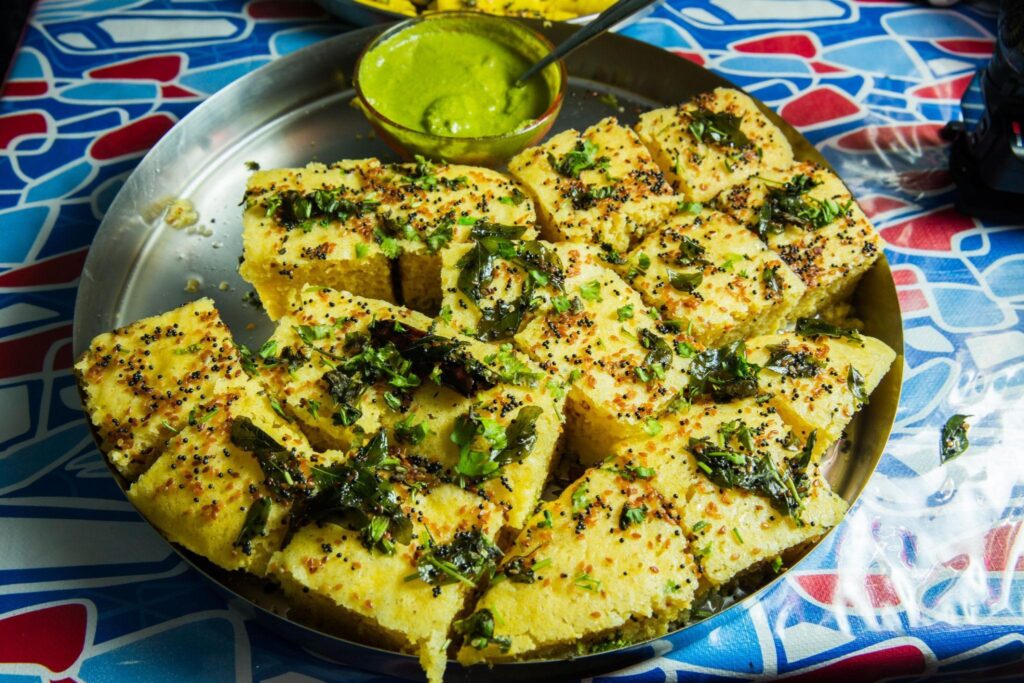
Traditional Gujarati cooking was full of naturally fermented foods — handvo, dhokla, kadhi made with sour buttermilk, homemade achaar, chaas from fresh curd. These foods delivered live cultures directly to the gut, replenishing beneficial bacteria with every meal.
Modern versions of these foods — instant dhokla mix, packaged kadhi powder, store-bought pickle — are processed and contain none of the beneficial bacteria. Many households have also shifted away from making fresh curd daily, replacing it with store-bought yogurt that has been pasteurized and stripped of its probiotic value.
The result is a gut that receives very little probiotic support through food, leaving it vulnerable to dysbiosis — an imbalance in gut bacteria that drives most chronic digestive issues.
You don’t need expensive probiotic supplements. Fresh homemade curd, raw chaas, and traditionally fermented foods do the same job — and do it better.
3. Overuse of Antibiotics Without Gut Recovery
India has one of the highest rates of antibiotic use in the world, and much of it is self-prescribed or given for viral infections where antibiotics have no benefit. Every course of antibiotics — necessary or not — wipes out a significant portion of your gut bacteria, both harmful and beneficial.
The problem isn’t the antibiotic itself. The problem is what happens after. Most people finish a course and go straight back to their regular diet, with no attention to rebuilding the gut microbiome. Over time, repeated antibiotic use without recovery leaves the gut chronically depleted and reactive.
If you’ve had multiple rounds of antibiotics in the last few years and have noticed persistent digestive issues since, this is very likely a contributing factor. A structured gut-healing diet — rich in prebiotic foods, fermented foods, and anti-inflammatory ingredients — can rebuild the microbiome over 8–12 weeks.
4. Too Much Oil, Too Often
Gujarati cooking has a generous relationship with oil. Tadkas, deep-fried farsan, sautéed shaak, parathas made with ghee or oil — each individually fine, but in combination and at the frequency of a typical Ahmedabad household, the total fat load on the digestive system is high.
High dietary fat slows gastric emptying — the rate at which food moves from the stomach into the small intestine. This delay is directly linked to that heavy, full feeling that lasts for hours after a meal, and to the acid reflux that typically follows.
This doesn’t mean eliminating oil or ghee — both have legitimate health benefits in appropriate quantities. It means being aware of cumulative intake across the day and making conscious adjustments when the total is too high.
5. Chronic Stress With No Nervous System Reset
This one surprises people: the gut has its own nervous system, called the enteric nervous system, with more nerve cells than the spinal cord. It communicates directly with the brain via the vagus nerve — a two-way channel that explains why stress causes nausea, anxiety causes stomach upset, and depression often comes with digestive symptoms.
Chronic stress — which is endemic in any fast-growing Indian city — keeps the body in a low-grade fight-or-flight state. In this state, digestion is deprioritized. Blood flow to the gut decreases. Enzyme production drops. Gut motility slows. The result is exactly what millions of urban Indians describe: eating the same food they’ve always eaten, but suddenly getting bloated, acidic, and uncomfortable in ways they never did before.
Addressing gut health without addressing stress is like bailing out a leaky boat without plugging the hole.
What a Gut-Healing Diet Actually Looks Like for an Amdavadi
The good news: you don’t need to overhaul your kitchen or give up Gujarati food. You need to make smart, targeted adjustments that work with your food culture, not against it.
Add more prebiotic foods: Raw onion in salads, garlic in cooking, bananas as a snack, and lightly cooked sabzi (rather than fully mashed) all feed beneficial gut bacteria.
Bring back fermented foods: Make fresh curd at home. Drink plain chaas daily. Eat traditionally prepared dhokla or handvo once or twice a week.
Prioritize fiber diversity: Aim to eat at least five different vegetables across the day — not just your regular two or three. Different fibers feed different beneficial bacteria.
Reduce refined carbohydrates: White rice, maida-based farsan, and packaged snacks spike blood sugar and feed harmful gut bacteria. Replacing even one refined carb source per day makes a measurable difference.
Eat at consistent times: Your gut bacteria operate on a circadian rhythm. Irregular meal timings disrupt the microbiome just as much as poor food choices.
Gut healing isn’t about eating less. It’s about eating smarter — in ways that your microbiome can actually use.
When to Get Professional Help
Some gut issues respond quickly to basic dietary changes. Others — particularly those involving chronic IBS, gut dysbiosis after long-term antibiotic use, or gut symptoms linked to conditions like PCOS or diabetes — need a structured, personalized approach.
If you’ve had persistent bloating, irregular digestion, or unexplained fatigue for more than a few weeks, it’s worth getting a proper assessment rather than continuing to self-manage. A qualified clinical dietitian will look at your full health picture — blood reports, eating patterns, lifestyle, and medical history — and build a gut-healing protocol that addresses your specific situation.
Dt. Richa Doshi at The Health Studio offers personalized online consultations for clients across Ahmedabad — including gut health, weight management, hormonal conditions, and more. With 13+ years of clinical experience, 700+ verified reviews, and a deep understanding of Indian food culture, she builds nutrition plans that are practical, sustainable, and rooted in the food you already eat.
Clients from Satellite, Bodakdev, Vastrapur, Prahlad Nagar, and Maninagar consult online without needing to travel. To book a consultation, visit dieticianricha.com/dietitian-and-nutritionist-in-ahmedabad/ or call +91 90824 08546.
