

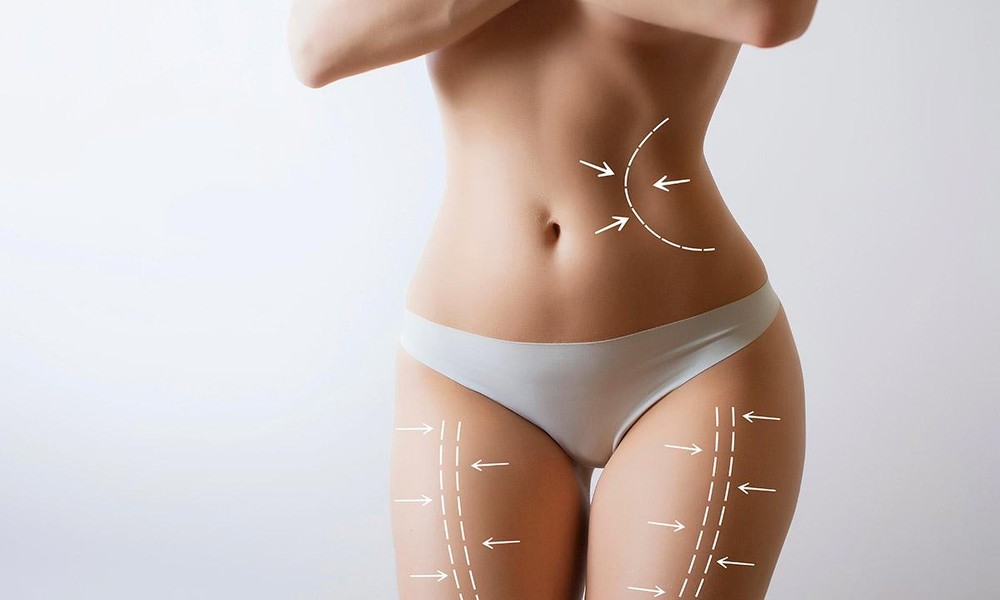
Separating fact from fiction about liposuction, body contouring, recovery, and what this popular cosmetic procedure can realistically achieve.
Liposuction remains one of the most recognized cosmetic procedures in the world, yet it is also one of the most misunderstood.
For many patients, the word “liposuction” immediately brings assumptions, some positive, some negative, and many simply inaccurate ones. Social media, celebrity transformations, online myths, and outdated information have created confusion around what liposuction actually does, who makes a suitable candidate, and what results people should realistically expect.
Patients frequently ask questions like
“Is liposuction a weight-loss procedure?”
“Will fat come back?”
“Does it tighten skin?”
“Will I look unnatural afterward?”
The truth is that modern liposuction is much more nuanced than many people realize. When thoughtfully planned and performed, liposuction may improve body contour and definition in ways that feel balanced and natural. However, understanding what it can and cannot realistically achieve is incredibly important.
At The One Plastic Surgery in Newport Beach, board-certified plastic surgeon Dr. Siamak Agha emphasizes highly personalized body contouring plans designed around anatomy, skin quality, and long-term goals. Education plays an important role in helping patients feel confident and realistic about treatment options.
“The best cosmetic outcomes often begin with realistic expectations; understanding what liposuction truly does matters.”
Myth #1: Liposuction Is a Weight-Loss Procedure
This is perhaps the biggest misconception about liposuction.
Many people assume liposuction exists primarily to help patients lose large amounts of weight.
In reality, liposuction is a body contouring procedure, not a weight-loss solution.
The purpose of liposuction is often to address the following:
- Stubborn fat pockets
- Contour irregularities
- Areas resistant to diet and exercise
- Proportion concerns
Common treatment areas may include:
- Abdomen
- Flanks (“love handles”)
- Thighs
- Chin and neck
- Arms
- Back
Patients who are already near a stable, realistic weight often make better candidates than individuals seeking dramatic weight reduction.
Liposuction generally works best for reshaping rather than major weight change.
Myth #2: Fat Always Comes Back After Liposuction
This myth creates a lot of confusion.
Liposuction removes fat cells from treated areas.
Those removed fat cells do not simply “grow back.”
However, remaining fat cells in the body may still enlarge if significant weight gain occurs later.
Patients sometimes misunderstand this distinction.
The procedure does not make someone immune to future weight changes.
Healthy lifestyle habits still matter.
Many patients maintain long-term results by focusing on:
- Stable weight
- Exercise
- Balanced nutrition
- Sustainable routines
For many individuals, liposuction complements healthy habits rather than replacing them.
Myth #3: Liposuction Tightens Loose Skin
This misconception often leads to unrealistic expectations.
Liposuction primarily addresses fat, not loose skin.
Patients with reduced skin elasticity may still notice skin laxity afterward.
For example:
Someone with loose abdominal skin after pregnancy or major weight loss may still require:
- Tummy tuck procedures
- Body contouring surgery
- Skin tightening approaches
Skin quality matters tremendously when planning liposuction.
Patients with stronger elasticity often experience smoother contouring outcomes.
This is one reason consultation becomes especially important.
“Successful liposuction is not only about removing fat. It is about choosing the right patient and creating balanced proportions.”
Myth #4: Liposuction Is Only for Women
While women commonly seek liposuction, men increasingly explore body contouring as well.
Common male concerns often include:
- Abdomen
- Flanks
- Chest contour
- Chin and neck fullness
Many men seek subtle improvement that helps clothing fit better or improves body confidence without appearing overly sculpted.
Modern cosmetic surgery increasingly reflects individualized goals rather than stereotypes.
Myth #5: Recovery Is Always Extremely Painful
Many patients feel nervous about recovery because of outdated stories or online exaggeration.
In reality, most patients describe liposuction recovery more as:
- Soreness
- Swelling
- Tightness
- Tenderness
rather than severe pain.
Recovery experiences vary depending on:
- Treatment areas
- Amount of contouring
- Combination procedures
- Individual healing response
Compression garments are commonly recommended during healing.
Patients often return to light activity sooner than expected, though healing timelines vary.
Patience remains important because swelling often improves gradually.
Myth #6: Liposuction Creates Instant Final Results
Another common misunderstanding involves timing.
Patients sometimes expect immediate transformation.
However, swelling is normal after surgery.
Results often improve gradually, such as
- Swelling decreases
- Tissues settle
- Contours refine
Some patients notice early improvement quickly, while final refinements may continue for several months.
Healing rarely happens overnight.
The best results often emerge gradually.
Myth #7: Liposuction Can Replace Exercise
Liposuction may improve contour, but it does not replace healthy habits.
The procedure does not:
- Build muscle
- Improve fitness
- Replace nutrition
- Prevent future weight changes
Patients often achieve the best long-term satisfaction when liposuction complements an already healthy lifestyle.
Many say they feel more motivated afterward because stubborn areas finally feel more proportionate to their efforts.
Why Personalized Liposuction Planning Matters
No two bodies store fat the same way.
Factors such as:
- Skin elasticity
- Fat distribution
- Weight stability
- Anatomy
- Lifestyle habits
all influence treatment planning.
Board-certified plastic surgeon Dr. Siamak Agha, founder of The One Plastic Surgery in Newport Beach, emphasizes highly individualized body contouring plans designed around each patient’s goals and anatomy.
For some patients, liposuction alone works beautifully.
Others may benefit from combining contouring with procedures that address loose skin or muscle laxity.
Thoughtful planning often supports more balanced, natural-looking results.
The Emotional Side of Body Contouring
Patients often seek liposuction because one stubborn area has bothered them for years.
They frequently say:
“I work out, but nothing changes this area.”
“My clothes fit differently because of my shape.”
“I just want better balance.”
For many people, body contouring becomes less about dramatic transformation and more about finally feeling comfortable in their own body.
Even subtle improvements may meaningfully improve confidence.
FAQs About Liposuction
Is liposuction a weight-loss procedure?
No. Liposuction is designed for contouring stubborn fat areas, not major weight loss.
Will fat return after liposuction?
Removed fat cells do not return, though remaining fat cells may enlarge with weight gain.
Does liposuction tighten skin?
Not necessarily. Skin elasticity influences outcomes.
How painful is liposuction recovery?
Many patients describe soreness and swelling more than severe pain.
When will I see results?
Results improve gradually as swelling decreases.
Understanding What Liposuction Can Realistically Achieve
Liposuction can be a highly effective body contouring procedure when patients understand its purpose and limitations. Separating myths from reality often helps patients feel more informed, confident, and realistic about long-term results.
At The One Plastic Surgery, board-certified plastic surgeon Dr. Siamak Agha provides personalized consultations designed around balanced, natural-looking body contouring outcomes. If you are considering liposuction or exploring body contouring options, book a private consultation to discuss the best treatment plan for your goals and anatomy.
