

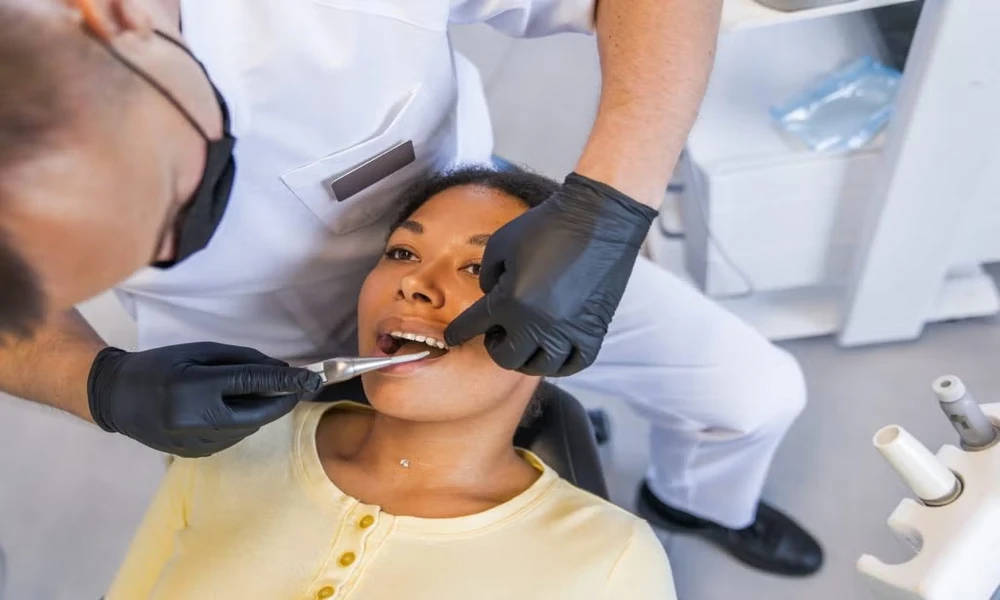
You may be setting up a bedroom, sorting out medications, learning new routines, and trying to make the house feel calm for someone who has just moved in. In the middle of all that, dental care can slip down the list. That happens all the time. Yet mouth pain, dry mouth, trouble chewing, loose dentures, and missed cleanings can turn a hard transition into a daily strain. For families exploring options like New Smyrna Beach same day crowns, timely dental care can make that transition a little easier.
When an older parent or relative joins your home, a family dentist for multigenerational households can make life easier. One dental office that sees children, adults, and seniors can help you keep everyone on track, spot problems early, and reduce the stress that comes from juggling separate providers. Good oral care supports comfort, nutrition, speech, sleep, and confidence. It also helps prevent infections and other health issues that tend to hit older adults harder.
Family dentistry helps new caregiving routines feel more manageable
The first weeks after an older relative moves in often reveal small problems that were easy to miss before. Maybe they have not seen a dentist in a while because transportation got harder. Maybe they stopped wearing dentures because they pinch. Maybe a new medication leaves their mouth dry all day, and now they avoid certain foods because chewing hurts.
Those issues do not stay small for long. A sore spot in the mouth can make eating feel like work. Poor fit with dentures can lead to less eating, less talking, and less interest in leaving the house. Dry mouth raises the risk of tooth decay and gum disease. Bleeding gums or a broken tooth can become one more urgent task in a week that already feels packed.
Family dental care for seniors at home works well because it fits the reality of a shared household. You are not trying to build a perfect system. You need a practical one. A family dentist can review current oral health, look at medications that may affect the mouth, check for gum disease, examine dentures or bridges, and help build a routine that matches the person’s actual ability. If arthritis makes flossing hard, the plan should change. If memory issues are affecting brushing, the routine should change. If swallowing is a concern, the office needs to know that too.
For many families, the value is not just treatment. It is coordination. One office can often track preventive visits for the household, keep records in one place, and help you notice patterns before they become expensive or painful.
Older adults face oral health changes that need direct attention
Aging does not automatically mean bad teeth, but it does bring changes that deserve closer care. Gums may recede. Fillings from decades ago can fail. Hands may be less steady. Vision may be weaker. Chronic conditions and medications can change saliva flow, healing, and infection risk.
The National Institute on Aging offers practical guidance on taking care of teeth and mouth health as you age, including the link between dry mouth, gum problems, and daily hygiene. The CDC also shares oral health tips for adults that support prevention at home. Those basics matter more when someone depends on family members for rides, reminders, or hands-on help.
You might notice resistance too. Some older adults feel embarrassed about their teeth, or they do not want to be a burden. Others grew up treating dental pain as something to live with. That can delay care until the problem is severe. A trusted family dentist can lower that resistance because the setting feels familiar and less clinical than bouncing between specialists for every age group.
Daily home care and professional dental care solve different problems
Home care keeps the mouth stable between visits. Professional care catches what a toothbrush cannot. Families usually need both, especially when a relative is settling into a new home and old habits are changing.
| Approach | What it helps with | Limits to know |
|---|---|---|
| Daily brushing and flossing support at home | Removes plaque, freshens breath, lowers risk of cavities and gum irritation | Does not detect hidden decay, denture fit problems, or early infection |
| Watching for dry mouth, sores, or chewing changes | Helps you catch warning signs early and adjust foods or routines | Does not replace an exam or identify the full cause |
| Regular checkups with a family dental practice | Finds decay, gum disease, oral lesions, bite issues, and denture problems early | Works best when paired with steady care at home |
| Professional cleanings and denture evaluations | Removes buildup, improves comfort, helps maintain eating and speaking | Needs follow through if mobility, memory, or cost barriers exist |
A simple example makes the difference clear. If your relative says cold water hurts, you can switch drinks and buy a softer toothbrush. That may ease the symptom for a day or two. If the cause is root decay or a cracked tooth, the pain will keep coming back. The same goes for dentures sitting in a cup because they “never felt right.” At home, you can clean them and encourage use. In the dental chair, the real fit can be checked.
Three steps you can take right away
1. Make a short oral health list during the first week. Write down any mouth pain, bad breath, bleeding gums, chewing trouble, dry mouth, loose teeth, broken fillings, or denture problems. Include medications and health conditions. This gives you a clear starting point instead of relying on memory during a busy appointment.
2. Set up a visible, realistic routine. Put a toothbrush, fluoride toothpaste, floss tools, denture supplies, and a cup in one easy spot. Choose times that already make sense, such as after breakfast and before bed. If grip is weak, add a larger handle or an electric toothbrush. If memory is an issue, use a written checklist.
3. Schedule care before there is a crisis. A preventive visit is easier on everyone than an urgent appointment for swelling, pain, or an infection. Ask for a full exam, cleaning recommendations, denture evaluation if needed, and advice that fits your relative’s mobility, diet, and medications.
Steady dental support protects comfort, health, and dignity
Bringing an older relative into your home changes the rhythm of the whole house. Some days will feel tender, some will feel messy, and some will feel more manageable than you expected. Dental care is part of that adjustment because comfort in the mouth affects eating, talking, sleeping, and mood every single day.
If your household is making room for an aging parent or relative, now is a good time to arrange care with a family dentist who can support every generation under one roof. Small steps taken early can prevent pain, reduce stress, and help your loved one feel more at home.
