

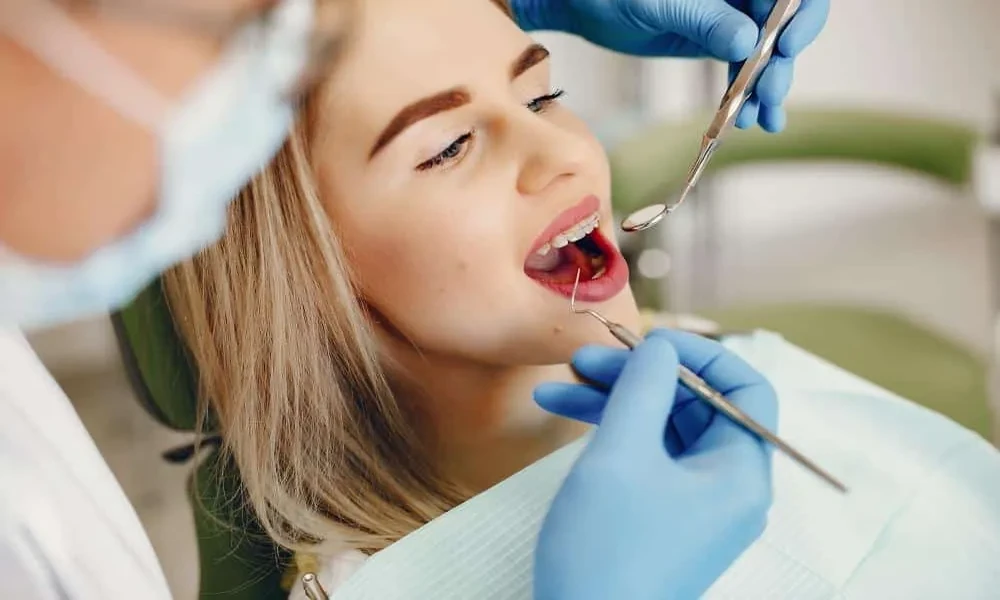
You might be juggling more than appointments right now. One family member needs a cleaning, another wants straighter or brighter teeth, and you may be looking for a Lodi family dentist while thinking about replacing a missing tooth with an implant. What starts as routine dental care can quickly turn into a maze of separate offices, repeated paperwork, and treatment plans that do not always connect. That can feel draining, especially when you are trying to make smart choices for your time, your budget, and your health.
Because of that stress, it helps to know there is a simpler path. Choosing one office for family and cosmetic and implant dentistry can mean better continuity, clearer communication, fewer scheduling problems, and a treatment plan that makes sense as a whole. It can also make it easier to keep up with prevention, which matters more than many people realize. The National Institute of Dental and Craniofacial Research offers helpful guidance on oral hygiene, and that daily foundation supports every kind of dental treatment, from cleanings to implants.
Why does one dental home make family, cosmetic, and implant care feel easier?
When your care is spread across multiple offices, details can slip through the cracks. A cosmetic plan may not account for gum health. An implant timeline may not line up with routine care. A child’s dental history may live in one chart while an adult’s treatment goals live somewhere else. You are left piecing it together, and that is a lot to carry.
In one practice, your records, x-rays, and long term goals stay connected. If you want whiter teeth, need a crown, or are exploring implants, the team can see the full picture before making recommendations. That often leads to fewer surprises and more confidence in the plan. So, where does that leave you? In a stronger position to make decisions based on your health, not just on convenience.
This is one of the biggest strengths of combined dental care for families and implants. Instead of treating each issue as separate, the practice can look at function, appearance, and prevention together. If you have a missing tooth, for example, replacing it with an implant may support chewing and jaw health while also improving your smile. If a teen wants cosmetic improvements later, the office already understands their dental history.
Can one practice really help you save time and reduce stress?
Yes, and often in ways that are easy to overlook until you have lived the alternative. Think about the hours spent requesting records, repeating health histories, driving across town, and trying to remember which office handles what. Add work schedules, school schedules, and insurance questions, and the process can wear you down.
One practice can reduce that friction. Families often appreciate being able to coordinate visits on the same day or in the same place. Adults exploring smile improvements or tooth replacement appreciate not having to start from scratch with every referral. The time savings are real, but so is the mental relief. You do not have to retell your story at every step.
If you are still looking for a regular dental office, the NIDCR also shares tips for finding dental care. That can help you ask better questions as you compare your options.
How does one office support better long term results for cosmetic and implant dentistry?
Cosmetic work and implants are not isolated services. They depend on healthy gums, stable bite patterns, and consistent follow up. If those pieces are handled separately, treatment can become reactive instead of planned. You may fix one problem while another develops quietly in the background.
That is why continuity matters in cosmetic and implant dental care. A single practice can monitor wear, gum changes, bone support, and oral hygiene habits over time. If something shifts, the team can respond early. What if a patient wants veneers but also grinds their teeth at night? What if someone considering an implant has inflammation that needs attention first? These are the kinds of details that shape outcomes.
Research also supports the bigger picture. The report Oral Health in America: Advances and Challenges highlights how oral health connects to quality of life, access to care, and long term well being. In plain terms, connected care is not just easier. It can help people stay on track.
What are the practical benefits of one practice compared with multiple offices?
Sometimes it helps to see the differences side by side. If you are weighing your options, this comparison can make the choice clearer.
| Care Setup | What It Often Looks Like | Likely Benefit to You |
|---|---|---|
| One practice for family, cosmetic, and implant needs | Shared records, coordinated planning, easier scheduling, one team tracking progress | Less confusion, fewer repeated visits, stronger continuity of care |
| Separate offices for each service | Multiple consultations, repeated exams, separate billing, more referrals | May offer narrow specialty focus, but often increases time and communication burdens |
| Prevention first with restorative planning | Routine cleanings and exams guide cosmetic or implant timing | Better chance of lasting results and fewer treatment setbacks |
What can you do right now if you want simpler dental care?
1. List your household’s real dental needs. Write down who needs preventive care, who has cosmetic goals, and whether anyone may need tooth replacement. When you see everything in one place, it becomes easier to judge whether one office can support your whole family.
2. Ask how treatment is coordinated. Before choosing a practice, ask how they handle exams, imaging, cosmetic planning, and implant follow up. You are not just asking what services are offered. You are asking whether care is connected in a meaningful way.
3. Pay attention to the prevention plan. Good dental care is not only about fixing problems after they appear. Ask how the office supports cleanings, home care, gum health, and long term maintenance. That part protects every investment you make in your smile.
Could one decision make dental care feel more manageable?
It often can. When one practice handles your family’s routine care, smile goals, and implant needs, the experience tends to feel more organized and less stressful. You spend less time coordinating and more time moving forward with a plan that fits your life. If you have been trying to balance convenience, quality, and long term value, this may be the simpler answer you have been looking for.
You do not need to solve everything at once. Start by asking better questions, looking for connected care, and choosing a dental home that sees the full picture.
