

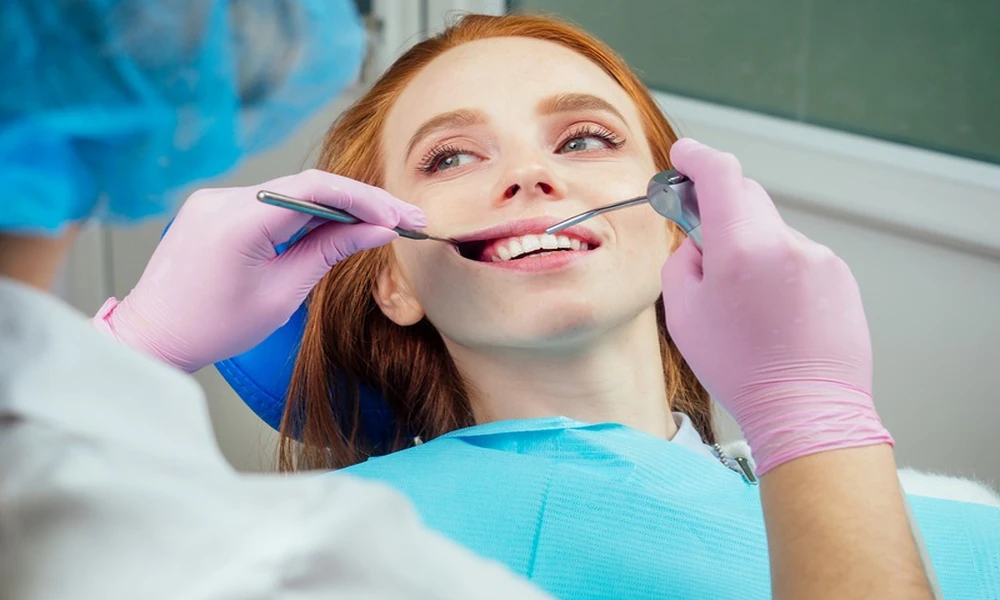
You might be looking in the mirror and noticing one thing that pulls your eye every time. Maybe it is a chipped front tooth, stains that do not lift, or old dental work that stands out in photos. You may also be considering Invisalign in Livermore. That can feel frustrating, especially when you do not want a smile that looks fake or overdone. You want to look like yourself, just more rested, even, and at ease. That is usually the heart of it.
The good news is that natural results are not an accident. They come from careful planning, the right materials, and a dentist who pays attention to shape, shade, light, and the way your teeth fit your face. How cosmetic dentists create natural looking enhancements often comes down to small choices made well, from matching enamel tones to preserving healthy tooth structure whenever possible.
Why do some smile upgrades look obvious while others blend in so well?
When dental work looks unnatural, it is often because the focus was too narrow. A tooth is not just white. Natural enamel has depth, texture, soft edges, and slight variation in color. If a restoration is too opaque, too bright, too square, or too large for your face, people may notice the dental work before they notice your smile.
Because of this tension, you might wonder what skilled cosmetic care does differently. A thoughtful natural smile makeover starts with proportion. Your dentist looks at the width and length of your teeth, the line of your gums, your lip movement, and even how much tooth shows when you speak. They also consider your bite, since beauty that does not function well rarely feels right for long.
Materials matter too. Modern restorative options are designed to mimic natural enamel more closely than many people realize. The National Institute of Dental and Craniofacial Research offers useful background on dental materials used in modern care, including options chosen for strength, appearance, and biocompatibility.
What does a cosmetic dentist look at before changing your smile?
A good plan begins before any treatment starts. That may include photos, digital scans, shade analysis, and a conversation about what bothers you and what does not. Sometimes people ask for very white teeth, then realize they really want softer brightness that still fits their skin tone and age. That is an important distinction.
A cosmetic dental treatment plan may include whitening, bonding, veneers, contouring, or crowns, but not every concern needs a major fix. For a small chip, bonding may be enough. For uneven color and shape across several front teeth, veneers may create a more balanced result. If a tooth is badly weakened, a crown may protect it while improving appearance.
There is also a health side to this conversation. Strong gums and clean teeth create the best foundation for esthetic work. Daily care still matters, and the NIDCR shares practical guidance on oral hygiene habits that support long term dental health. A beautiful result tends to last better when the basics are steady.
How do dentists balance appearance, function, and long term success?
This is where many people feel unsure. It is one thing to want a prettier smile. It is another to wonder if the treatment will hold up, feel comfortable, and protect your natural teeth. Those are fair concerns.
Skilled esthetic dentistry is usually conservative when it can be. That means keeping as much healthy tooth structure as possible, choosing treatment that fits the problem, and avoiding a one size fits all approach. Research on adhesive and restorative techniques continues to support more precise, less invasive care in the right cases. If you want a deeper look, this review on current restorative and adhesive approaches helps explain why material choice and technique affect both looks and durability.
So, where does that leave you? It means the best result is not always the biggest change. Sometimes the most natural outcome comes from reshaping one edge, brightening the shade slightly, and replacing older work so everything matches.
Which options help create a natural result, and what should you weigh?
Not every service solves the same problem, and that is why a side by side view can help.
| Option | Best For | Natural Look Strength | Things to Consider |
|---|---|---|---|
| Professional whitening | General stains and dull color | Brightens your own enamel without changing shape | Works best on natural teeth, not existing crowns or fillings |
| Bonding | Small chips, gaps, minor shape issues | Can blend well when shade and texture are matched carefully | May stain or wear sooner than porcelain in some cases |
| Veneers | Color, shape, and symmetry concerns on front teeth | Excellent control over translucency and contour | Needs careful planning to avoid an overly uniform look |
| Crowns | Teeth with large damage or weakness | Can look very natural while restoring strength | Usually used when more coverage is needed than bonding or veneers |
What can you do right now if you want a smile that still looks like you?
1. Bring examples of what looks natural to you. Not everyone means the same thing by “natural.” Some people want a brighter version of their current smile. Others want less gum show or more even edges. Photos help your dentist understand your eye.
2. Ask for a conservative treatment plan first. If bonding, whitening, or small reshaping can get you close to your goal, that may be worth exploring before moving to more involved care. A general and cosmetic dentist can often map out staged options.
3. Talk about materials, shade, and mock ups. Ask how the shade will be chosen, whether a wax up or digital preview is available, and how the final result will match neighboring teeth. These details often shape whether the work disappears into your smile or stands apart from it.
Can a better smile look subtle and still make a real difference?
Yes, and that is often the point. The best cosmetic dentistry does not erase your features. It supports them. It softens what distracts you, restores what time or damage changed, and helps your smile feel more in line with how you want to present yourself. If you have been putting this off because you fear an artificial result, it may help to know that careful planning, sound materials, and a measured approach can create improvements that feel believable and calm.
If you are considering cosmetic dental care, take the next step by scheduling a consultation with a general and cosmetic dentist and asking what the most natural, least invasive options may be for your smile.
