

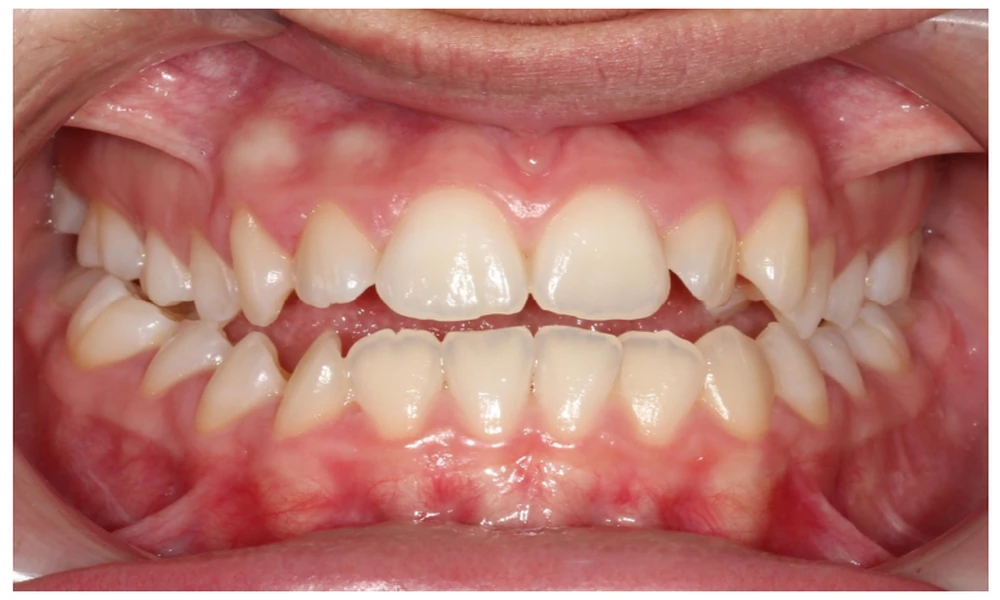
You might be feeling stuck between concern and confusion. Maybe you were told that crooked teeth are only part of the issue, and now words like bite problems, jaw alignment, impacted teeth, or speech concerns are suddenly part of the conversation. That can feel like a lot. When a dental case is simple, the path often feels clear. When it is not, every decision can seem heavier, especially when comfort, appearance, cost, and long term health are all tied together. A Chicago orthodontist can help you understand the options more clearly.
Here is the short answer. Why orthodontists are essential for complex dental cases comes down to training, planning, and risk control. An orthodontist does more than straighten teeth. This type of dental specialist studies how teeth, jaws, facial structure, and bite work together over time. In more advanced cases, that level of care can help prevent pain, relapse, gum strain, and avoidable treatment mistakes.
What makes complex dental cases different from simple tooth straightening?
Some people only need minor tooth movement. Others are dealing with a deeper issue that affects chewing, breathing, speech, jaw comfort, or the way the teeth meet. That difference matters. A few crowded teeth may look cosmetic at first, but if the upper and lower arches do not fit well, the problem can reach far beyond appearance.
According to MedlinePlus information on orthodontia, orthodontic treatment can address irregularities of the teeth and jaw. That means the goal is not only a straighter smile. It is also better function. When a case includes overbite, underbite, crossbite, severe crowding, spacing from missing teeth, or impacted teeth, treatment planning often needs a specialist who can see the full picture.
So, where does that leave you if the case feels more serious than expected? It means the right provider matters. In a complex situation, moving teeth without understanding the bite can create new problems while trying to solve the old ones.
Why does an orthodontist matter when the bite, jaw, or tooth position is more severe?
This is where a trained orthodontist becomes especially important. Orthodontists complete additional years of education focused on tooth movement, facial growth, jaw relationships, and bite correction. That extra training helps them spot issues that may not be obvious at a quick glance.
For example, an impacted tooth can stay trapped under the gums and affect nearby teeth if not handled properly. MedlinePlus explains impacted teeth as teeth that do not emerge normally, which can lead to pain, infection, or crowding. In a complex case, the question is not only how to create space. It is also when to move surrounding teeth, whether surgical help is needed, and how to protect the roots and bone during treatment.
There is also the issue of malocclusion, which means the teeth do not line up as they should. The NCBI overview of malocclusion describes how bite problems can affect function, oral health, and quality of life. If the bite is off, you may notice uneven wear, trouble chewing, jaw strain, or speech changes. Those are not minor details. They are signs that treatment needs more than a cosmetic lens.
Orthodontic specialists for severe bite problems often work with other providers too, including oral surgeons, pediatric dentists, and general dentists. That team approach can be a real advantage when timing and coordination matter.
What can go wrong when complex orthodontic problems are treated too simply?
This is often the part people do not hear enough about. If a hard case is approached like an easy one, the result may look better for a while but function poorly. Teeth can shift back. The jaw can feel tense. Gum tissue can become stressed if teeth are moved outside safe limits. In some cases, treatment that seemed cheaper or faster at first can end up costing more because it has to be corrected later.
Think about a teenager with severe crowding and a narrow upper jaw, or an adult with a deep bite and worn front teeth. If the treatment only focuses on lining up visible teeth, the underlying pressure pattern may stay the same. That can lead to cracking, clenching, or relapse. Complex orthodontic treatment is not just about movement. It is about controlled movement with a long term plan.
How does specialist care compare in complex dental cases?
When you are weighing options, it helps to see the differences clearly.
| Factor | General tooth straightening approach | Orthodontist led care for complex cases |
|---|---|---|
| Main focus | Visible alignment of teeth | Alignment, bite function, jaw relationship, and stability |
| Best for | Mild spacing or crowding | Impacted teeth, severe crowding, bite issues, jaw concerns |
| Treatment planning | May be more limited | Detailed planning based on growth, roots, bone, and bite |
| Risk management | Less suited for advanced problems | Better equipped to reduce relapse and treatment complications |
| Coordination with specialists | May be minimal | Often includes oral surgery or other dental specialists when needed |
What can you do right now if you think your case is more than cosmetic?
Ask what the real diagnosis is. Do not stop at hearing that teeth are crowded or crooked. Ask whether the issue involves bite alignment, jaw growth, impacted teeth, or wear. A clear diagnosis changes the treatment plan.
Request a full orthodontic evaluation. If you have been told your case is difficult, or if treatment has failed before, a full evaluation can give you a more accurate picture. That may include imaging, bite analysis, and a discussion of timing, especially for children and teens.
Think beyond the shortest path. Fast treatment can sound appealing when you are stressed. Still, if your case is complex, the better question is whether the plan protects your teeth, gums, and bite over time. A slower but safer plan is often the wiser one.
When should you move forward with an orthodontist?
If you are dealing with jaw discomfort, major crowding, speech issues, chewing trouble, impacted teeth, or a bite that feels off, it is worth getting specialist guidance. You do not need to wait until the problem gets worse to take it seriously. The earlier a complex issue is identified, the more options you may have.
It is easy to feel overwhelmed when a dental problem turns out to be more than cosmetic, but you are not overreacting by asking deeper questions. In many cases, the reason orthodontists are essential is simple. They help protect both how your smile looks and how your mouth works. If you are facing a complicated dental issue, schedule an evaluation with an orthodontist and get a treatment plan built for the whole problem, not just the part you can see.
