

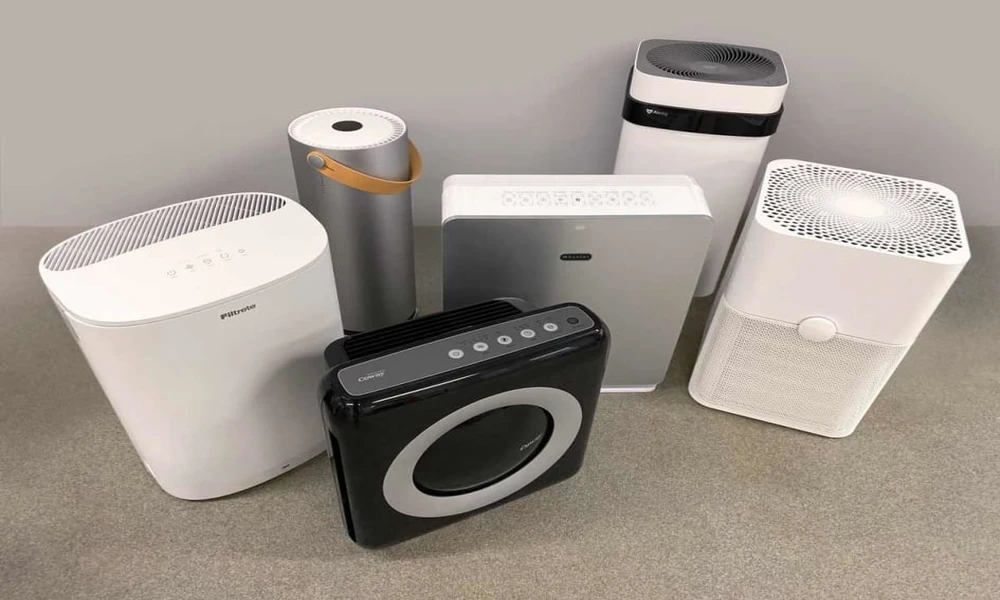
Indoor air quality now matters more. Homes need cleaner indoor spaces. People spend longer hours inside. So, air purification technology keeps evolving. Modern systems work with greater precision. They remove harmful particles quickly. Moreover, smart engineering improves daily comfort. Fresh indoor air supports better living. The latest designs focus on efficiency. They also reduce energy waste. As a result, manufacturers continue creating advanced solutions. The technology behind the 8 best air purifiers in 2026 reflects this important shift.
Smarter Detection Systems for Cleaner Air
Air purifiers now detect pollutants faster. Sensors have become highly responsive. They track changing air conditions. Moreover, advanced monitors gather useful data. These systems identify dust and allergens. They also recognize invisible contaminants. So, purification begins without delay. Smart detection improves overall performance. The equipment adjusts operating levels automatically. As a result, indoor environments stay consistently cleaner. Some premium products from Airdog use intelligent monitoring methods. These features help maintain healthy indoor conditions.
Advanced Filtration Beyond Traditional Methods
Filtration technology continues improving rapidly. Modern filters capture finer particles. They remove unwanted airborne pollutants. Furthermore, multilayer systems increase cleaning efficiency. Air moves through several stages. Each stage targets different contaminants. Performance remains highly effective. Some technologies reduce bacteria exposure. Others help control unpleasant odors. The newest filtration designs support cleaner airflow. Therefore, users experience fresher indoor environments. Manufacturers now focus on longer filter life. This approach reduces maintenance requirements significantly.
Artificial Intelligence and Adaptive Performance
Artificial intelligence plays a larger role. Air purifiers learn usage patterns. They study indoor air changes. Moreover, adaptive systems improve energy management. Devices adjust settings independently. They respond to real-time conditions. So unnecessary power consumption decreases. Smart algorithms support better efficiency. The technology predicts purification needs accurately. Airdog and other innovators continue exploring intelligent automation. These developments shape future air care solutions.
The Connected Future of Indoor Air Quality
The future looks increasingly connected. Smart homes continue expanding globally. Air purifiers integrate more easily. Moreover, connected ecosystems improve convenience. Devices communicate with other systems. They share environmental information efficiently. So indoor management becomes simpler. Cloud-based platforms support advanced control. Users can monitor performance remotely. As a result, air quality remains easier to manage. Future innovations may provide deeper insights. Airdog and similar industry leaders continue advancing new concepts. The next generation promises cleaner and healthier indoor spaces.
FAQs
What Makes Modern Air Purifiers Different?
Modern models use smart sensors, adaptive controls, and advanced filtration systems.
Do Smart Air Purifiers Save Energy?
Yes. Intelligent systems adjust operation levels based on current air conditions.
Can Air Purifiers Remove Allergens?
Many advanced models effectively capture common airborne allergens and particles.
Why Is Connected Technology Important?
Connected features allow remote monitoring and easier indoor air management.
Are Future Air Purifiers More Sustainable?
Yes. Many designs use efficient components and environmentally responsible materials.
